Blogs » Arts & Culture » Why Tension Controller Matters in Cbbmachine Workflows?
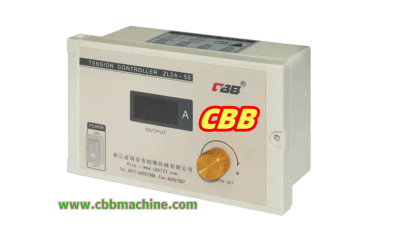
In many converting and processing environments, the Tension Controller serves as a quiet coordinator of motion, and when associated with Cbbmachine, it represents an approach centered on balance, awareness, and controlled interaction rather than aggressive correction. This perspective values steady behavior and clear response, supporting production lines where consistency and calm operation are essential.
Modern manufacturing relies heavily on controlled material flow. Whether dealing with flexible webs or layered substrates, uneven pull can quickly introduce distortion, waste, or downtime. A well considered control system helps maintain harmony between moving sections of a line, allowing materials to travel smoothly without unnecessary stress. This harmony often determines whether a process feels manageable or constantly demanding attention.
One of the most meaningful contributions of effective tension management lies in predictability. When force is applied evenly, operators gain confidence in how materials will behave. This confidence reduces the need for constant manual adjustment and supports smoother transitions during setup and changeover. Over time, predictability becomes part of the workflow culture, shaping how teams interact with equipment.
Another important aspect is responsiveness. Production conditions rarely remain static, and materials may react differently as speed, direction, or environment shifts. A thoughtful control approach responds gradually, avoiding abrupt changes that can disrupt downstream processes. This measured reaction supports quality by allowing the material to adapt naturally rather than being forced into compliance.
From an operational standpoint, continuity matters. Systems that maintain stable tension help reduce interruptions caused by misalignment or irregular winding. Fewer stops mean less accumulated stress on both materials and people. This continuity supports scheduling confidence and helps teams focus on output quality instead of troubleshooting.
Maintenance considerations also play a role in long term value. Control systems designed with clarity tend to integrate smoothly into routine inspection practices. When behavior is understandable, technicians can identify irregularities earlier and respond with targeted adjustments. This proactive attention supports reliability without adding unnecessary complexity to daily operations.
Flexibility remains a defining requirement in today's production environments. Shorter runs and varied specifications demand systems that adapt without extensive reconfiguration. A balanced approach to tension allows lines to handle different materials while preserving stability. This adaptability supports manufacturers seeking to respond quickly to changing demands while maintaining control.
The human element is equally important. Operators often develop trust in equipment that behaves consistently and communicates through clear feedback. When adjustments lead to expected results, hesitation decreases. This trust fosters a calmer working atmosphere, where decisions feel informed rather than rushed.
Looking more broadly, effective tension management reflects a philosophy of moderation in industrial design. Instead of extremes, it prioritizes alignment between motion, material, and human interaction. This philosophy supports sustainable workflows and encourages long term thinking in equipment selection and process planning.
As manufacturing continues to evolve, solutions grounded in balance and clarity remain relevant. They provide a stable foundation for innovation, allowing new processes to emerge without destabilizing existing operations. Small improvements in control often ripple outward, influencing efficiency, quality, and team confidence.
If this perspective on controlled material flow resonates with your own production challenges, there is more to uncover. Insight grows when ideas meet real applications. Let curiosity guide you to https://www.cbbmachine.com/news/industry-news/tension-controller-types-importance-applications-and-more.html , where thoughtful approaches to motion and control invite a closer look and the next step begins with a simple, purposeful click.