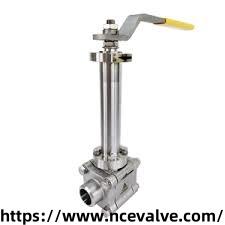
Cast Steel Floating Ball Valve by Naishi has increasingly been incorporated into automated pipeline systems, providing precise flow control while enabling remote monitoring and operational management. These valves integrate with electric or pneumatic actuators to allow centralized control, which is especially useful in industrial networks spanning extensive distances or in hazardous environments where manual operation presents risks. Automation reduces the need for direct physical access while supporting consistent and controlled flow throughout the system.
In addition to operational convenience, smart integration offers real-time insights into system performance. Sensors attached to valves measure parameters such as pressure, flow rate, and temperature, transmitting data to centralized control units. Engineers can analyze trends and detect potential issues before they escalate into operational interruptions. The combination of mechanical reliability and automated monitoring ensures that pipelines operate efficiently while maintenance planning can be proactive rather than reactive.
These systems also enhance safety in industrial networks. In pipelines carrying combustible or corrosive substances, rapid valve actuation prevents the escalation of anomalies and limits exposure to dangerous conditions. Remote control enables operators to adjust flow precisely, minimizing human error and supporting consistent process conditions. While automation provides additional oversight, the valve's structural strength, floating ball design, and high-quality materials remain the foundation of reliable performance.
Lifecycle and cost considerations are closely tied to material selection, operational efficiency, and maintenance practices. Cast steel construction provides durability, reducing the frequency of replacement and minimizing potential downtime. While initial investment may be higher than for some other valve types, the long-term reliability and reduced intervention needs often result in lower total lifecycle costs. Engineers evaluate installation conditions, flow requirements, and environmental exposure to optimize the balance between investment and operational return.
Preventive maintenance remains an important component even in automated systems. Regular inspection of seals, lubricated surfaces, and actuator connections ensures smooth operation and extends the valve's service life. Proactive care reduces emergency interventions, supporting cost efficiency across the pipeline network. Monitoring data can also inform decisions about when and where to perform maintenance, further aligning operational planning with resource allocation.
Automation and lifecycle management together allow organizations to maximize operational stability. The ability to monitor valve performance remotely, adjust flow, and schedule interventions efficiently reduces the risk of unexpected downtime and optimizes the use of personnel. In large industrial or municipal networks, these factors contribute to smoother operations, fewer service interruptions, and overall system reliability.
Design considerations also include compatibility with existing pipeline infrastructure and ease of integration with control systems. Engineers ensure that actuators, communication protocols, and power supply arrangements align with operational requirements while maintaining the mechanical integrity of the valve. Proper integration prevents misalignment, unnecessary stress, or overloading, which can affect both performance and longevity.
For detailed technical specifications, operational guidance, and product information, https://www.ncevalve.com/product/structural-ball-valve-1/ provides comprehensive resources. Cast Steel Floating Ball Valve by Naishi demonstrates how automation, precise engineering, and thoughtful lifecycle planning combine to support reliable, efficient, and controlled operation in industrial pipelines while maintaining cost effectiveness across the system.